Language is more than just a way to communicate—it carries history, culture, and power. For Black Americans, reconnecting with African linguistic roots is a major step in reclaiming identity. But sometimes, language also reveals deeper truths. One striking example is the Nigerian word “Maga” and the American political slogan “MAGA” (Make America Great Again). Two different words, two different contexts—yet both expose how people can be deceived and manipulated.
Nigerian Pidgin English was born from resistance. During the transatlantic slave trade and colonial rule, it blended English with Yoruba, Igbo, Hausa, and other African languages. It became a common way for different African groups to communicate while keeping their own identity alive.
In the Americas, enslaved Africans did the same. Languages like Gullah, Jamaican Patois, and Haitian Creole developed as tools of survival. They helped people hold onto their roots despite oppression.
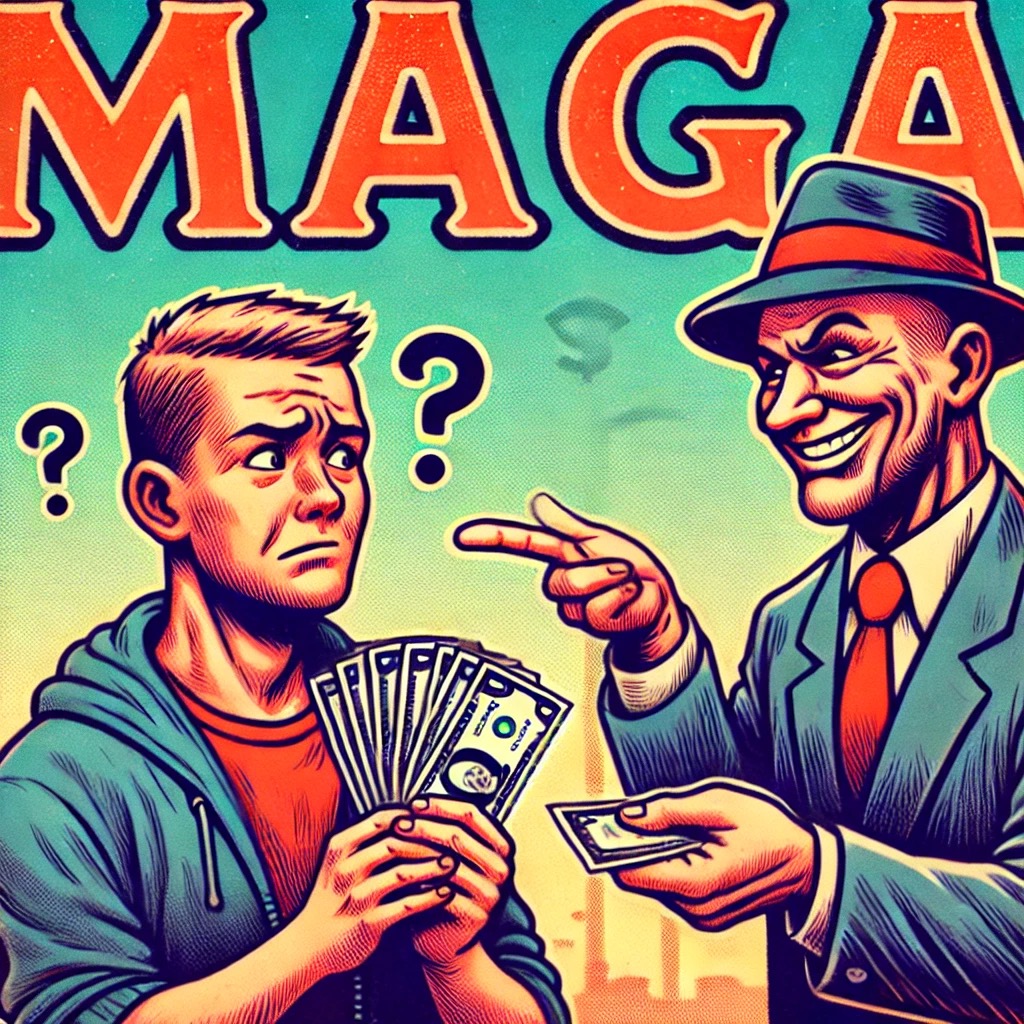
In Nigerian Pidgin, “Maga” is a fool—someone easily tricked. If someone calls you a maga, they mean you’re being played. The word is often used in scams, where fraudsters call their victims “maga” because they are easy to deceive.
But “Maga” is more than just about fraud—it’s about control. Keeping people uninformed makes them easier to exploit. And that’s where MAGA comes in.
Across the ocean, MAGA—Make America Great Again—was sold as a promise. But what was this so-called “greatness”? And who was actually benefiting?
Many believed MAGA was about bringing America back to a better time. But better for who? MAGA followers were told that immigrants and minorities were taking their jobs. Meanwhile, the rich were getting richer.
People were given a false enemy—Black communities, immigrants, the so-called “radical left”—while the real exploiters kept them distracted. The sad reality? Many who supported MAGA were struggling with the very problems they thought they were fighting against.
Here’s the kicker: the Nigerian Maga and the American MAGA are the same. In both cases, people are deceived. They are tricked into believing they are fighting for something. In reality, they are being used. The game is the same—control the people by controlling the language.
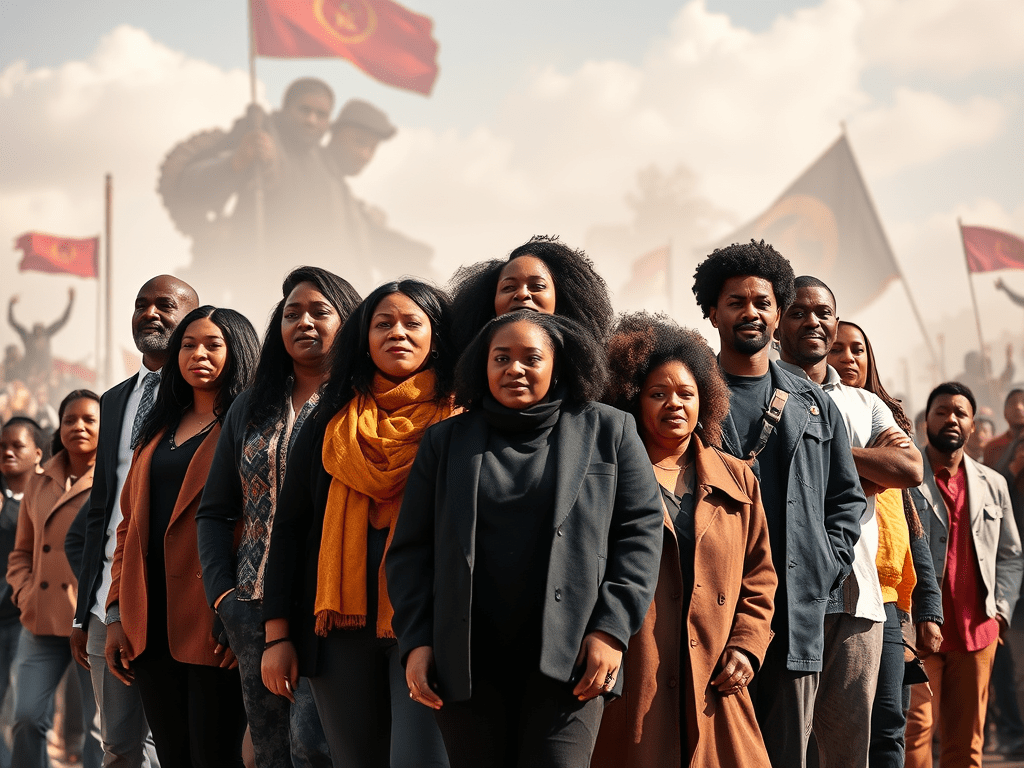
Revealing deception in all its forms—whether in language, politics, or media—is not just necessary. It is the ethical thing to do. I, you, we refuse to be manipulated. We refuse to be MAGA. We refuse to be pawns of politicians, corporations, or systems designed to keep us in the dark. Truth is our resistance. Awareness is our power.
Language is power, and once we understand how words shape our thinking, we can break free. Literacy, education, and critical thinking are our weapons. Learning African languages, studying history, and questioning the narratives we are given, helps us see the bigger picture.
Final Thoughts:
The connection between “Maga” in Nigeria and “MAGA” in America is no coincidence—it’s a lesson. Words can either free us or enslave us. The choice is ours.
No wahala (no problem)—we see the game now, and we refuse to be fooled again.