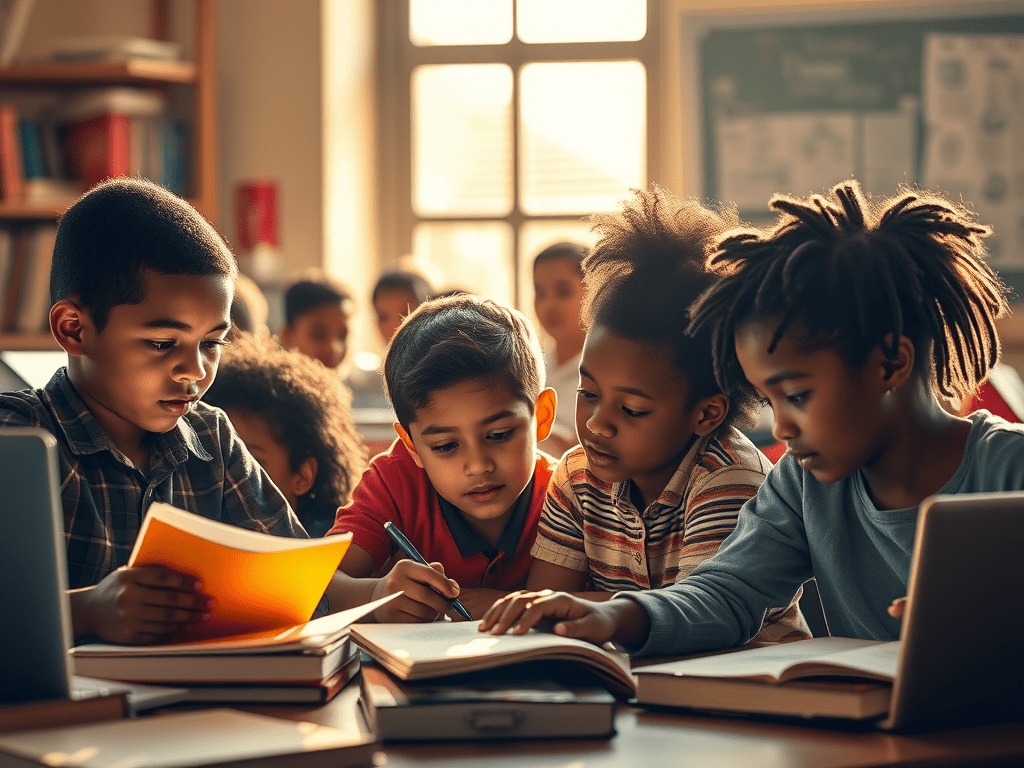
When you think about the challenges children face in education, it’s easy to focus on issues like test scores or classroom performance. But for many children, particularly those living in poverty, the challenges extend far beyond the school building. For these kids, daily struggles—such as hunger, instability at home, and lack of resources—often get in the way of their ability to succeed academically.
As we approach the ambitious goals of Project 2025, a critical initiative designed to reshape educational systems and policies, it’s important to take a closer look at how poverty exacerbates the gaps in education and what we can do to make a real difference.
The Impact of Poverty on Education
For children growing up in poverty, the barriers to success are many. Here are a few of the key challenges they face:
Lack of Educational Resources
In wealthier communities, students have access to a range of learning materials, cutting-edge technology, and extracurricular activities. Unfortunately, this is not the case for children living in poverty. Many schools in low-income neighborhoods struggle to provide basic resources, leaving students without the tools they need to excel. According to the National Center for Education Statistics (NCES), 22% of public school students in low-income districts attend schools where the quality of education is significantly lower compared to their peers in more affluent areas.
Food Insecurity
Imagine trying to learn while you’re hungry. For millions of students, this is their reality. A report from Feeding America shows that 1 in 6 children in the U.S. face food insecurity, meaning that nearly 12 million children go hungry every day. Research indicates that food insecurity significantly affects a child’s ability to concentrate and perform in school. While many schools offer free or reduced-price meals, the problem of hunger often extends beyond the school day, making it a constant barrier to learning.
Instability at Home
Poverty often brings with it a level of instability—whether it’s frequent moves, homelessness, or family stress—that impacts a child’s emotional well-being. According to the National Coalition for the Homeless, more than 1.5 million children experience homelessness each year in the U.S., a statistic that dramatically impacts their education. These stressors can make it harder for children to focus in school, leading to higher absentee rates and difficulties with behavior and concentration.
Limited Support Services
Children from low-income families are less likely to have access to tutors, mental health services, or enrichment programs that could help them succeed academically. A Child Trends report found that only 41% of low-income students had access to quality tutoring services, compared to 75% of students from higher-income families. This lack of additional support can make it even harder for these students to keep up with their peers.
Higher Dropout Rates
The cumulative effect of all these challenges is often a higher dropout rate. The National Center for Education Statisticsreports that high school dropout rates for students in low-income families are as high as 25%, compared to just 5% for students in wealthier households. When children face a constant uphill battle in their education, it’s not surprising that many give up altogether. The impact of this is felt not just by the students themselves, but by society as a whole, as these young people are left without the tools they need to build better futures.
The Connection Between Poverty and Race
While not all children of color live in poverty, and not all children in poverty are children of color, there is a significant overlap between these two groups. Historical and systemic factors contribute to the educational disparities faced by children in low-income communities of color. Let’s take a closer look at how race and poverty intersect:
Historical Context and Systemic Inequality
Communities of color have long faced systemic barriers, from slavery and segregation to discriminatory policies like redlining. These historical injustices have led to persistent economic disparities that continue to impact these communities today. The legacy of these inequalities has far-reaching consequences, especially when it comes to education.
Economic Disparities
Data shows that children of color, particularly Black and Latino children, are more likely to live in poverty compared to their white peers. According to the American Community Survey, 28% of Black children and 25% of Latino children live in poverty, compared to just 11% of white children. This economic disparity is compounded by wage gaps in the workforce, which contribute to generational poverty and make it harder for families of color to access quality education and other resources.
Educational Inequities
One of the most glaring consequences of these economic disparities is the disparity in school funding. Schools in predominantly low-income areas—often communities of color—receive less funding than schools in wealthier, predominantly white neighborhoods. According to a Brookings Institution study, schools in predominantly Black and Latino districts receive approximately $1,800 less per student than those in white-majority districts. This leads to outdated materials, overcrowded classrooms, and fewer opportunities for enrichment programs. These inequities only deepen the achievement gap between children of color and their white peers.
Health Disparities
Children living in poverty, particularly children of color, are more likely to suffer from health disparities, including a lack of access to quality healthcare. According to the U.S. Department of Health and Human Services, children of color are more likely to be uninsured and have less access to primary and mental health care, impacting their ability to focus in class and succeed academically.
Social and Psychological Factors
Children of color also face cultural and societal biases that can affect their self-esteem and academic confidence. According to a Pew Research Center study, Black and Latino students are more likely to report discrimination in school, and this bias can result in lower expectations from educators and fewer opportunities for advancement. On top of that, the stress of living in poverty, compounded by racial discrimination, can lead to emotional and psychological challenges that hinder a child’s ability to thrive academically.
Conclusion
The struggles faced by children living in poverty, particularly those in communities of color, are not just educational issues—they are social, economic, and cultural issues that require systemic change. Project 2025 presents a critical opportunity to reshape our educational system and address the deep-rooted inequalities that continue to hold back millions of children.
By investing in schools, increasing access to resources, and tackling the root causes of poverty and racism, we can give all children, regardless of their background, the opportunity to succeed. The work is hard, but the reward—ensuring that every child can thrive in an equitable education system—is worth it.
If you’re passionate about advocating for change and supporting children in need, be sure to subscribe to our newsletter for the latest updates on the #FREESQUARE Movement. We’re committed to driving change and ensuring that every child has the resources they need to succeed.
If you’re looking to take the next step and actively participate, we invite you to join Pearls of Grace. Together, we can create a more equitable future for all children, regardless of their background.